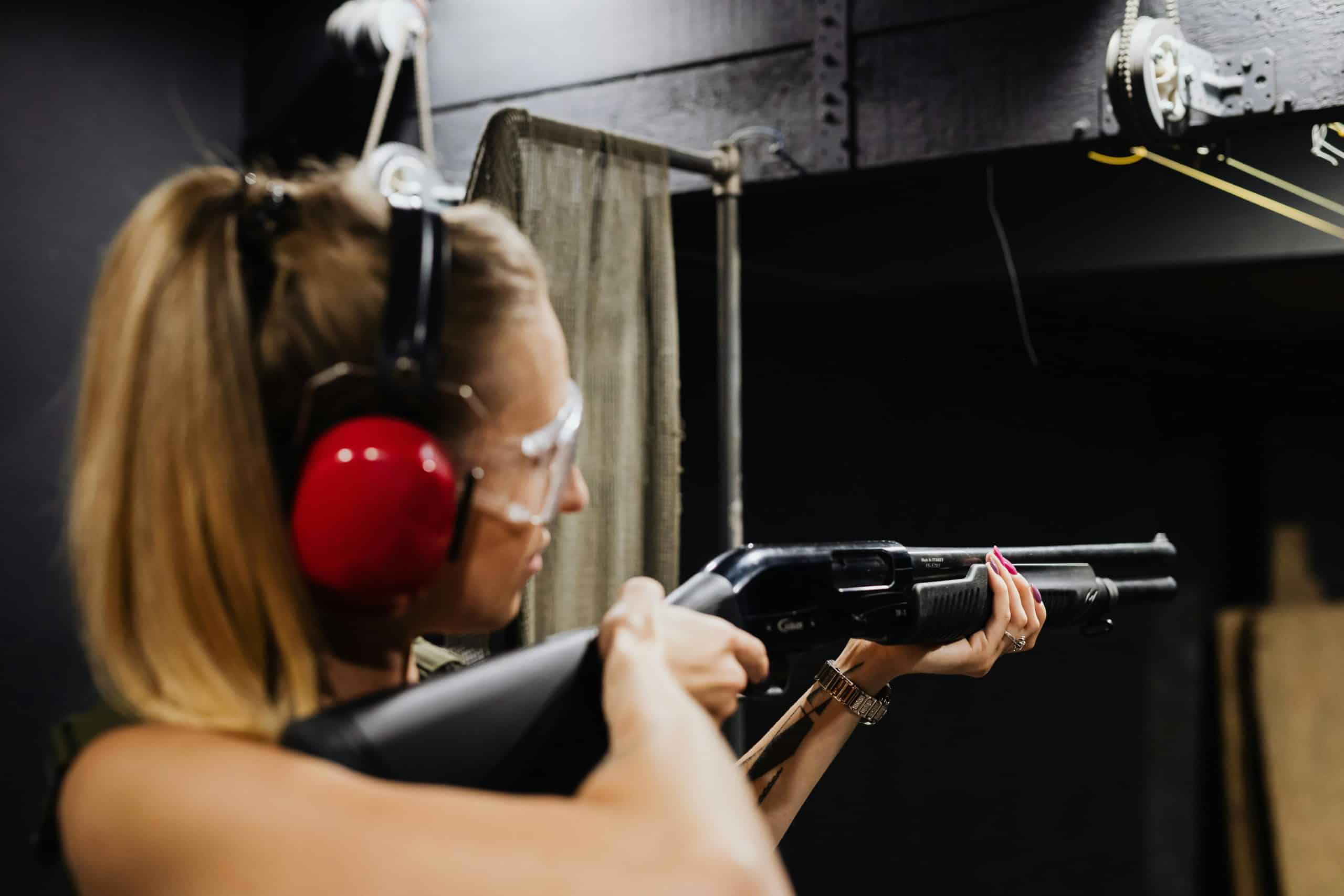
Firearms medicals are important. Applying for or renewing a firearms or shotgun certificate in the UK involves several important checks to ensure that applicants can safely possess and use firearms. One of these is a medical assessment, which helps identify health conditions that could affect an individual’s suitability to hold a firearms certificate.
Whether you are applying for your first shotgun certificate, renewing an existing firearms licence or simply need to complete the required medical paperwork, understanding the medical requirements can help you prepare.
Certain physical and mental health conditions may be relevant to a firearms application. However, having a diagnosis does not automatically mean your application will be refused. The severity of the condition, its stability, treatment and potential impact on public safety are all important considerations.
At Simply Medicals, we help applicants navigate the medical assessment process, making it easier to understand what information is required and how to complete the necessary paperwork.
1. Mental Health Conditions and Firearms Licensing
Mental health is an important consideration during a firearms medical because certain psychiatric conditions or symptoms may affect an individual’s ability to possess a firearm safely.
The Home Office statutory guidance identifies several mental health conditions that may be relevant when assessing an application. These include:
- Depression: A history of depression may require further consideration, particularly where symptoms are severe, unstable or associated with suicidal thoughts.
- Anxiety disorders: Anxiety may be relevant depending on its severity, impact on daily functioning and whether it affects decision-making or behaviour.
- Bipolar disorder: Episodes of mania, hypomania or significant mood instability may require additional medical information.
- Psychotic illnesses: Conditions involving psychosis may raise concerns depending on current symptoms, treatment and clinical stability.
- Post-traumatic stress disorder (PTSD): A history of trauma or PTSD may be relevant, particularly if symptoms affect judgement or behaviour.
- Personality disorders: Certain personality disorders may require further assessment depending on their presentation and associated risks.
A history of self-harm, suicidal thoughts or thoughts of harming others is also particularly important and should be disclosed during the medical assessment.
However, receiving treatment for a mental health condition does not automatically make someone unsuitable to hold a firearms certificate. The police must consider the individual’s circumstances and the available medical evidence rather than relying solely on a diagnosis.
2. Neurological and Physical Health Conditions
In addition to mental health, several physical and neurological conditions may affect an individual’s ability to safely possess and operate firearms.
Neurological conditions are particularly relevant where they can cause sudden changes in awareness, coordination or consciousness.
Examples include:
- Epilepsy: Seizures can affect awareness and motor control, potentially creating safety concerns.
- Multiple sclerosis (MS): Depending on the severity, MS may affect coordination, strength, mobility and cognitive function.
- Parkinson’s disease: Tremors, impaired movement and changes in coordination may be relevant when assessing safe firearm handling.
- Dementia: Memory impairment, confusion and reduced decision-making ability may affect an individual’s suitability.
- Huntington’s disease: This condition can affect movement, cognition and behaviour, potentially creating additional safety considerations.
Other physical conditions may also be relevant. For example, significant visual impairment could affect an individual’s ability to handle firearms safely, while certain conditions affecting mobility or coordination may require further consideration.
Alcohol and drug misuse are also specifically identified in the Home Office guidance. A history of substance misuse may be relevant, particularly where there is evidence of ongoing dependence or behaviour that could compromise safe firearm possession.
Importantly, the Home Office guidance makes clear that the list of relevant medical conditions is not exhaustive. Any physical, mental or neurodevelopmental condition that could affect safe possession of a firearm or shotgun may need to be considered.
3. What Happens During a Firearms Medical?
A firearms medical involves reviewing your medical history and providing the relevant information required by the police firearms licensing department.
Under Home Office guidance, applicants must obtain medical information from their GP or another suitably qualified GMC-registered doctor. The relevant medical proforma should be completed using the applicant’s medical history, with the necessary information supplied to the police.
Where a private medical provider completes the assessment, the doctor must receive the applicant’s medical information directly from the GP practice rather than relying on medical records supplied by the applicant.
The medical review may consider:
- Previous and current mental health diagnoses.
- Neurological conditions and any history of seizures.
- Relevant physical health conditions.
- Alcohol or drug misuse.
- Current medication and treatment.
- Previous hospital admissions and relevant medical history.
It is important to understand that the doctor provides medical information to assist the police with their assessment. The doctor does not independently grant or refuse a firearms certificate. The final decision regarding an individual’s suitability rests with the police firearms licensing department.
If you have an existing medical condition, it is worth gathering any relevant information about your diagnosis, treatment and current health before starting the process. This can help ensure that the medical review is completed as efficiently as possible.
At Simply Medicals, we understand that firearms medical paperwork can sometimes seem complicated. Our aim is to make the process straightforward by helping applicants access the appropriate medical assessment and complete the necessary documentation.
Need a firearms medical? Book with Simply Medicals today and let us help you complete your medical requirements with confidence.
Ultimately, It all starts with your firearms medical .
Your feedback is most welcome!
Feel free to email us at hello@simplymedicals.co.uk so we can help you.
I hope you will enjoy our videos and articles.
Please like our facebook page and subscribe to our youtube channel. Therefore, If you need to book a firearms medical please click here.