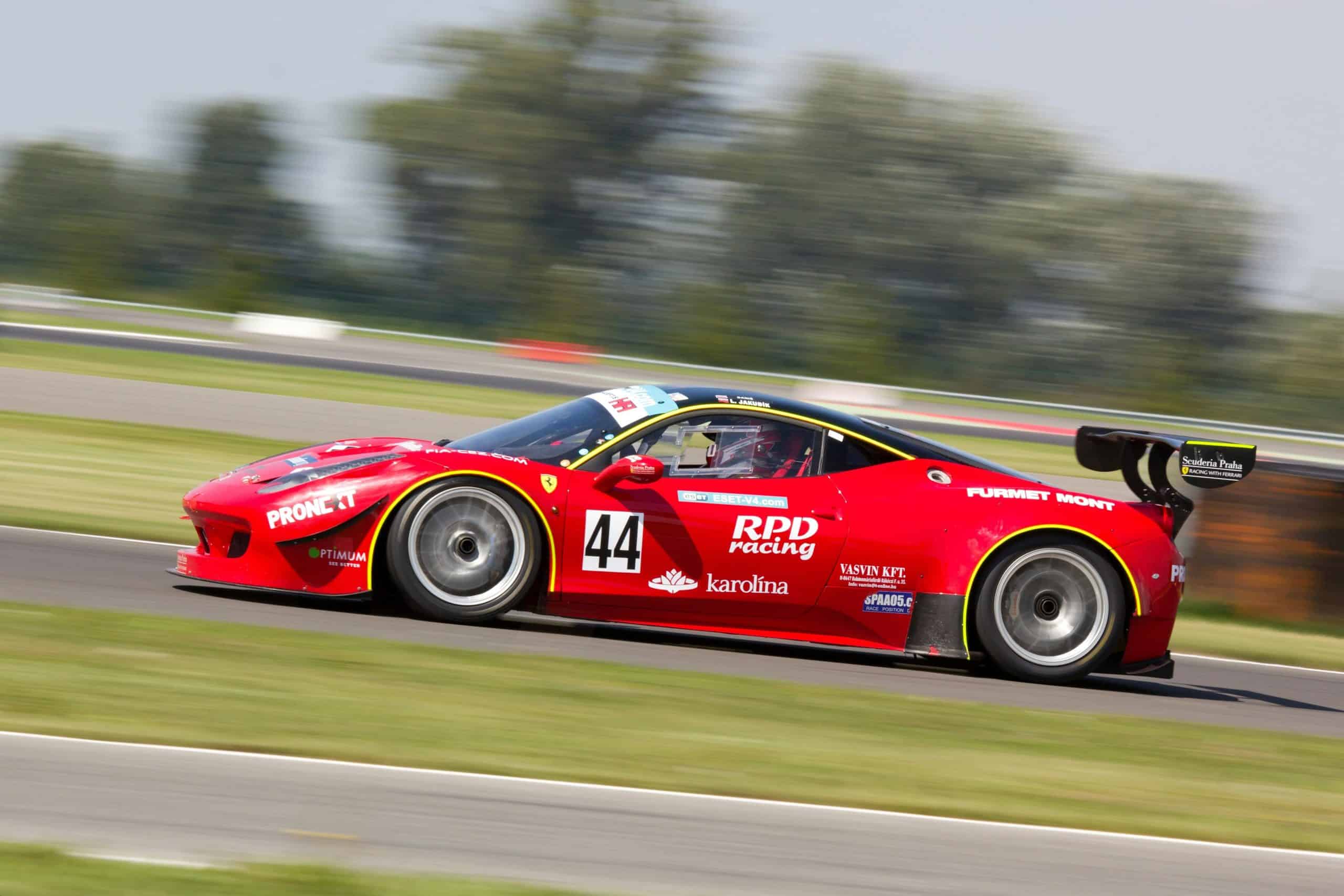
A motorsport medical is a vital requirement for anyone wishing to compete safely in motorsport — whether that’s karting, rallying, circuit racing, hill climbing, drifting, or motorcycle racing. These medicals ensure drivers meet the physical and cognitive demands of high-speed competition, helping protect both themselves and those around them.
At SimplyMedicals, we complete motorsport medicals for Motorsport UK, FIA, ACU and many other governing bodies. Here’s a clear breakdown of what the fitness standards involve, why they matter, and what drivers can expect during their assessment.
Why a Motorsport Medical Is Essential for Track Safety
A motorsport medical exists for one purpose: to ensure you can safely handle the extreme demands of racing. Motorsport exposes drivers to intense stress on the body, including:
- High g-forces
- Rapid acceleration and braking
- Heat exposure inside the vehicle
- Prolonged concentration
- Split-second decision-making
Even a mild health condition — such as poorly controlled blood pressure, untreated vision problems or heart rhythm disturbances — can become dangerous at racing speeds.
A motorsport medical helps identify issues early so drivers can get treatment, stay safe, and continue racing with confidence.
What’s Checked During a Motorsport Medical
Although requirements vary slightly depending on your licence level and governing body, most motorsport medicals involve the same core assessments.
1. Vision Assessment
Clear vision is non-negotiable in motorsport. During your motorsport medical, you will be assessed for:
- Distance vision
- Peripheral vision
- Colour vision (for certain licence categories)
- Overall eye health
Corrective lenses are usually acceptable as long as they meet racing standards.
2. Cardiovascular and Physical Health
Your heart and lungs must cope with extreme physical stress. Examiners typically check:
- Blood pressure
- Heart rhythm and sounds
- Lung function
- Height, weight and BMI
- General physical fitness
- Any symptoms such as chest pain, dizziness or breathlessness
For higher-level licences, additional tests like ECGs or exercise tolerance tests may be required.
3. Neurological and Cognitive Fitness
Racing demands split-second reactions. Your motorsport medical will screen for:
- Coordination
- Reflexes
- Balance
- History of concussion or head injury
- Seizure risk
- Medication effects on alertness
Honesty here is crucial — many conditions are manageable with proper documentation.
How to Prepare for Your Motorsport Medical
To pass smoothly and reduce delays:
- Bring photo ID
- Bring your glasses or prescriptions
- Avoid caffeine before the appointment
- Stay hydrated
- Bring any hospital letters or medication lists
- Don’t train intensely immediately beforehand
Most drivers pass their motorsport medical easily once any health issues are controlled.
At SimplyMedicals, we make the process fast, friendly, and fully compliant with motorsport regulations — so you can focus on what you do best: getting back on track.
Ultimately, It all starts with your Motorsport medical requirements.
Your feedback is most welcome!
Feel free to email us at hello@simplymedicals.co.uk so we can help you.
I hope you will enjoy our videos and articles.
Please like our facebook page and subscribe to our youtube channel. Therefore, If you need to book a Motorsport medical please click here.